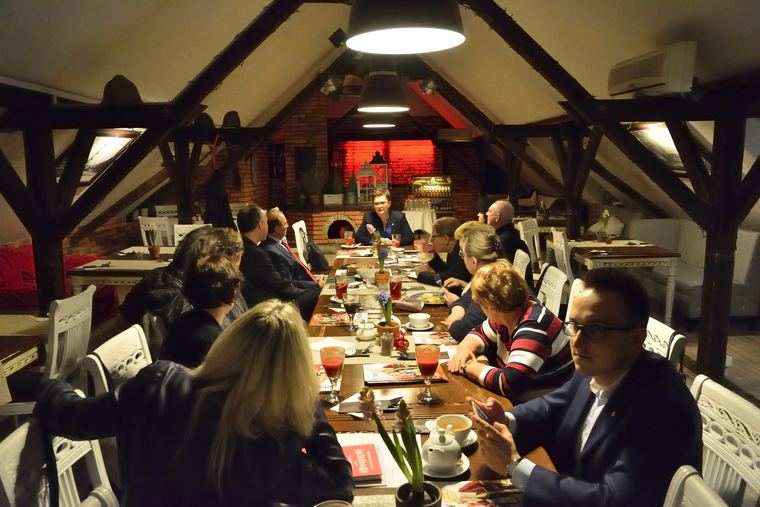
13.03.2018
A club meeting
An ordinary weekly club meeting — one of those a Rotary year is made of.
About us
From 2001 to today — a history of the people, meetings, projects and changes that shaped Rotary Club Warszawa-Belweder over more than two decades.
The history of Rotary Club Warszawa-Belweder began at the start of the 21st century. Over the years that followed, the meeting places, the Club’s membership, its presidents and its forms of activity all changed, but the idea of Rotary stayed the same — bringing together people who want to use their experience, contacts and commitment in the service of others.
Today’s Club is part of the same history that began in 2001 and continues to this day.
2001
From the moment it was founded, the Club was part of a community linking Rotarians from Poland, Ukraine and Belarus. That international dimension remained an important part of its history in the years that followed.
The founding club — the one that brings a new club into Rotary and helps it find its feet — was RC Warszawa-City. The first president was Elżbieta Puławska. At first the club went under the name RC Warszawa-Łomianki; it took its present name, Rotary Club Warszawa-Belweder, in 2008 — the court registered the change on 11 April.
The club charter — the document by which Rotary International confirms the admission of a new club — was presented to the club by RI President Richard King during his visit to District 2230 in October 2001. The ceremony took place at the Hotel Europejski, and President King began it by singing.
It was not a separate club ceremony. On 3 October 2001 the RI president’s conference was held in Warsaw — the banner in the background called the event the “2001 European Presidential Conference”. 220 Rotarians from Belarus, Poland and Ukraine took part; the governor of District 2230 at the time was Andrzej Ludek, and it was he who accompanied President King in Warsaw. Two charters were presented that day: to our club, then still named RC Warszawa-Łomianki, and to the Rotaract club RTC Warszawa Zamek.
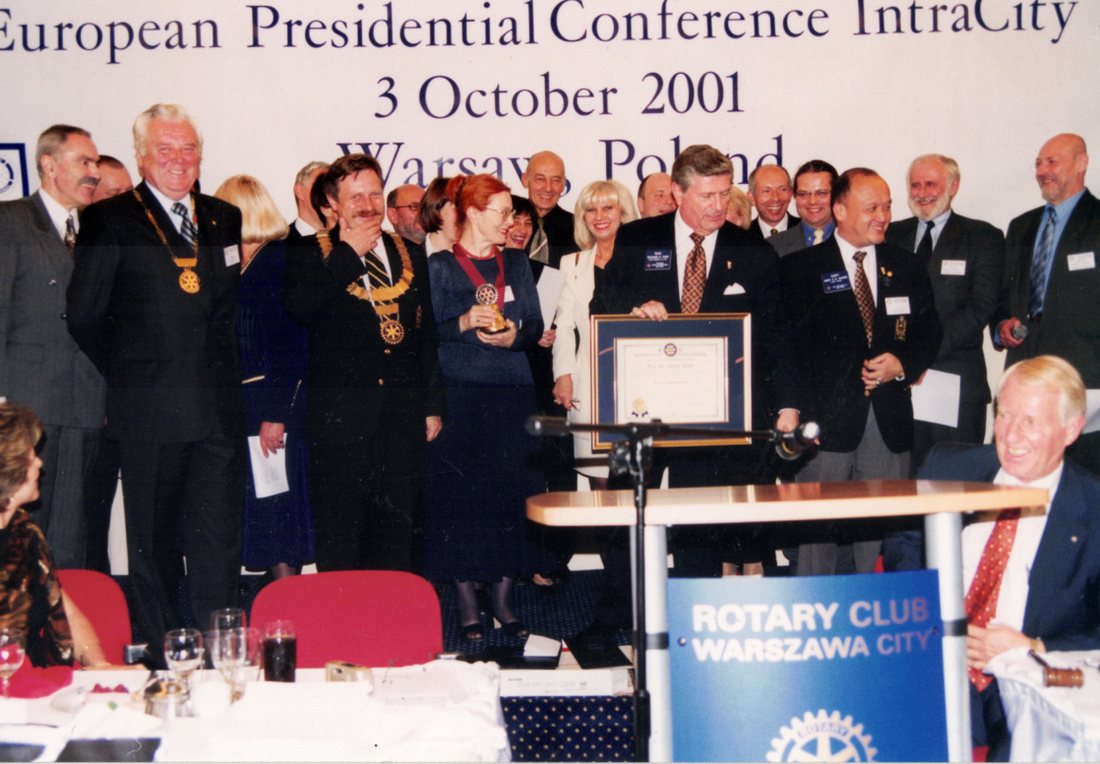
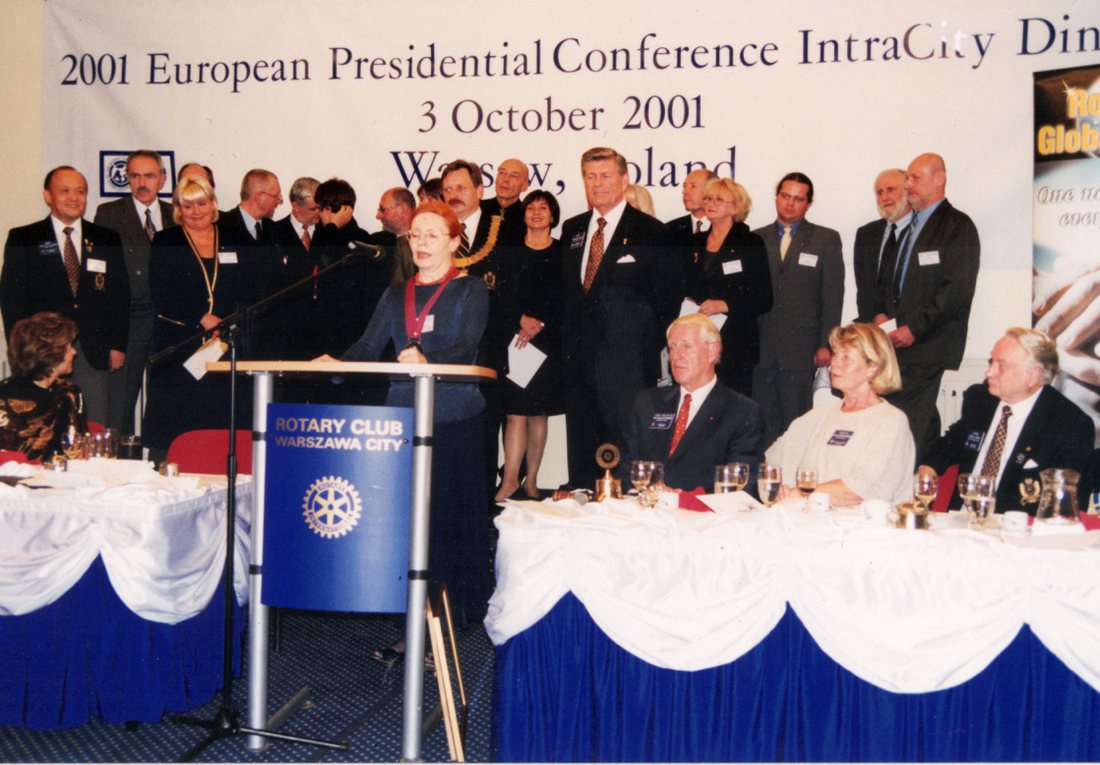
The charter reached the club three weeks after 11 September 2001. During the same visit the RI president was received by the President of the Republic of Poland, Aleksander Kwaśniewski. The district’s account recorded what happened next as follows:
In the garden of the Presidential Palace the two Presidents planted a ginkgo tree as a sign of solidarity with the victims of the attacks in New York and Washington, and of hope that life is stronger than death.
The District 2230 website, an account dated 20 November 2001, preserved in the internet archive.
Elżbieta Puławska knew the name Rotary from home: her uncle lived in London and joined the club there in the 1970s. When she was invited to the founding group of RC Warszawa-City, she did not hesitate for a moment. Polish clubs still belonged at the time to the Swedish district no. 2390. For seventeen years she chaired the GSE subcommittee — the Group Study Exchange programme between districts.
From the start the Club’s work was not limited to regular meetings. Members took part in helping children and young people, people with disabilities, patients and older people. They organised fundraising and supported people in difficult circumstances.
The Club funded, among other things, school starter kits, summer holidays for children from Warsaw’s Praga district, rehabilitation equipment and hearing implants. In later years there were also initiatives carried out together with community organisations and foundations.
For several years the Club also awarded small, regular scholarships to young people whose circumstances made it hard for them to grow and to study.
The Club also created the “Rotary Rose” — an award for people from the world of culture who combined their professional work with community involvement.
One way of raising money was the charity meetings and events the Club organised — often together with an artistic programme — whose proceeds went to community aid and to particular initiatives.
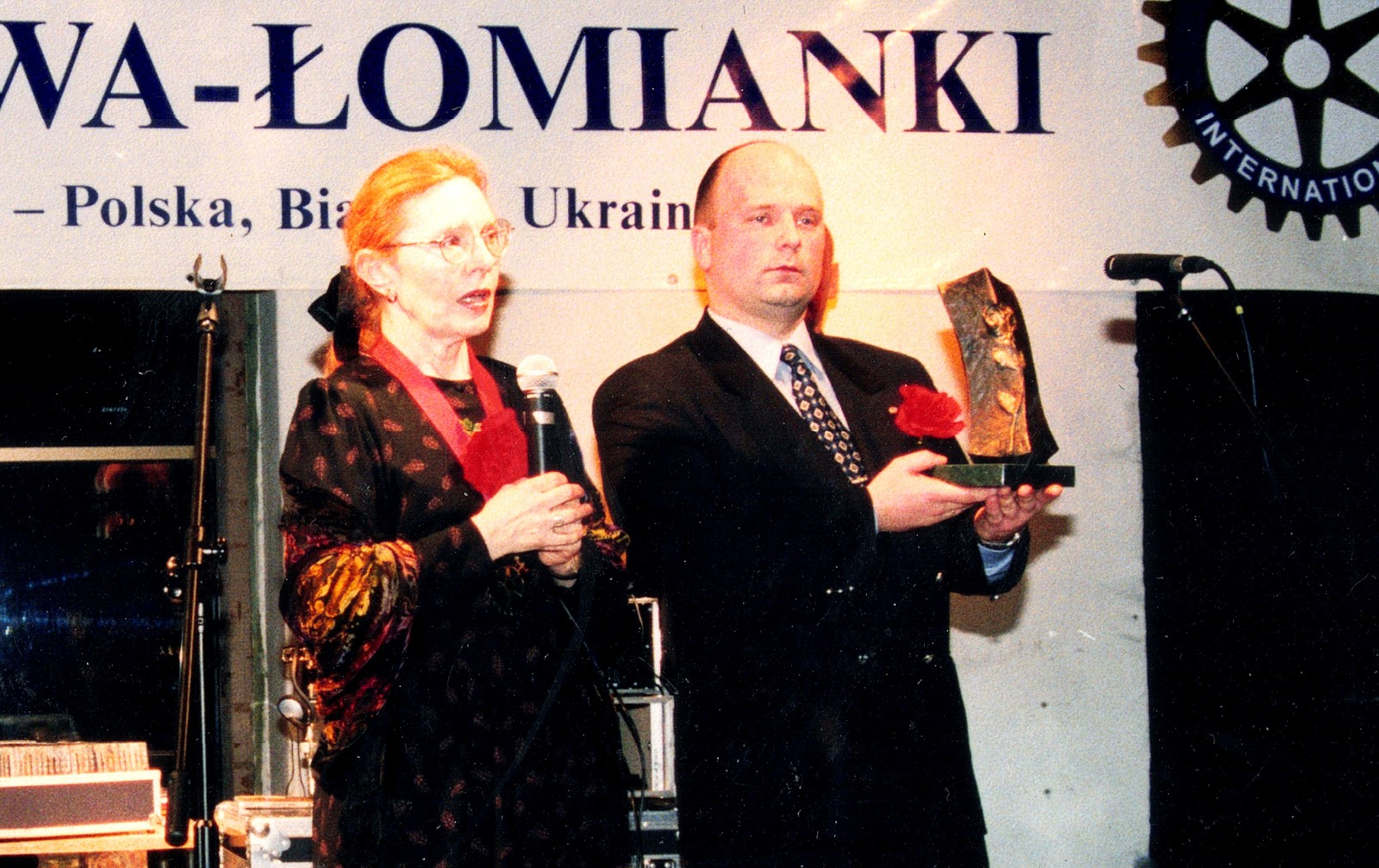
Help was not always financial. Members also used their knowledge, contacts and organisational reach to support particular people and institutions.
On 11 April 2008 the court registered the change of the Association’s name from Klub Rotary Warszawa-Łomianki to Rotary Club Warszawa-Belweder.
The new name came from Restauracja Belvedere, where the Club met at the time. In this way the place of its regular meetings became part of the Club’s identity and gave rise to the name it works under to this day. The name “Belweder” tied the Club more closely to Warsaw and to its capital-city character.
The surviving report for the 2010/2011 Rotary year shows the wide range of the Club’s community work.
Help went, among others, to children from Warsaw foster families — with trips and the purchase of computer equipment; to people in need of medical care; to a large family from Ełk. Charity events were also organised. The Club also funded professional tools for a person with a disability who works in sculpture, supporting that person’s professional and artistic development.
Some of the work was carried out together with other Rotary clubs. The Club took part, among other things, in charity events organised with RC Warszawa-Wilanów in aid of the Children’s Villages, and with partners abroad. The speech correction devices for the Institute of Hearing Pathology in Kajetany were a joint effort with a German club.
These activities clearly show the pattern that was typical of the Club for years: help for a particular person or group, combined with the knowledge, contacts and reach of its members.
The international character of Rotary was present in the Club’s work as well.
In 2012 representatives of the Club kept in touch with Rotarians and partners in Belarus. The archive holds records of a visit by Club representatives to Minsk and of talks about further cooperation, including youth exchange and cultural initiatives.
This was still in the period when Polish, Ukrainian and Belarusian clubs worked within the shared District 2230.
The club archive also holds materials documenting Rotary visits and meetings in Tunisia and Cyprus, among other places. They show that the Club’s work had long reached beyond Warsaw and was part of the wider, international Rotary community.
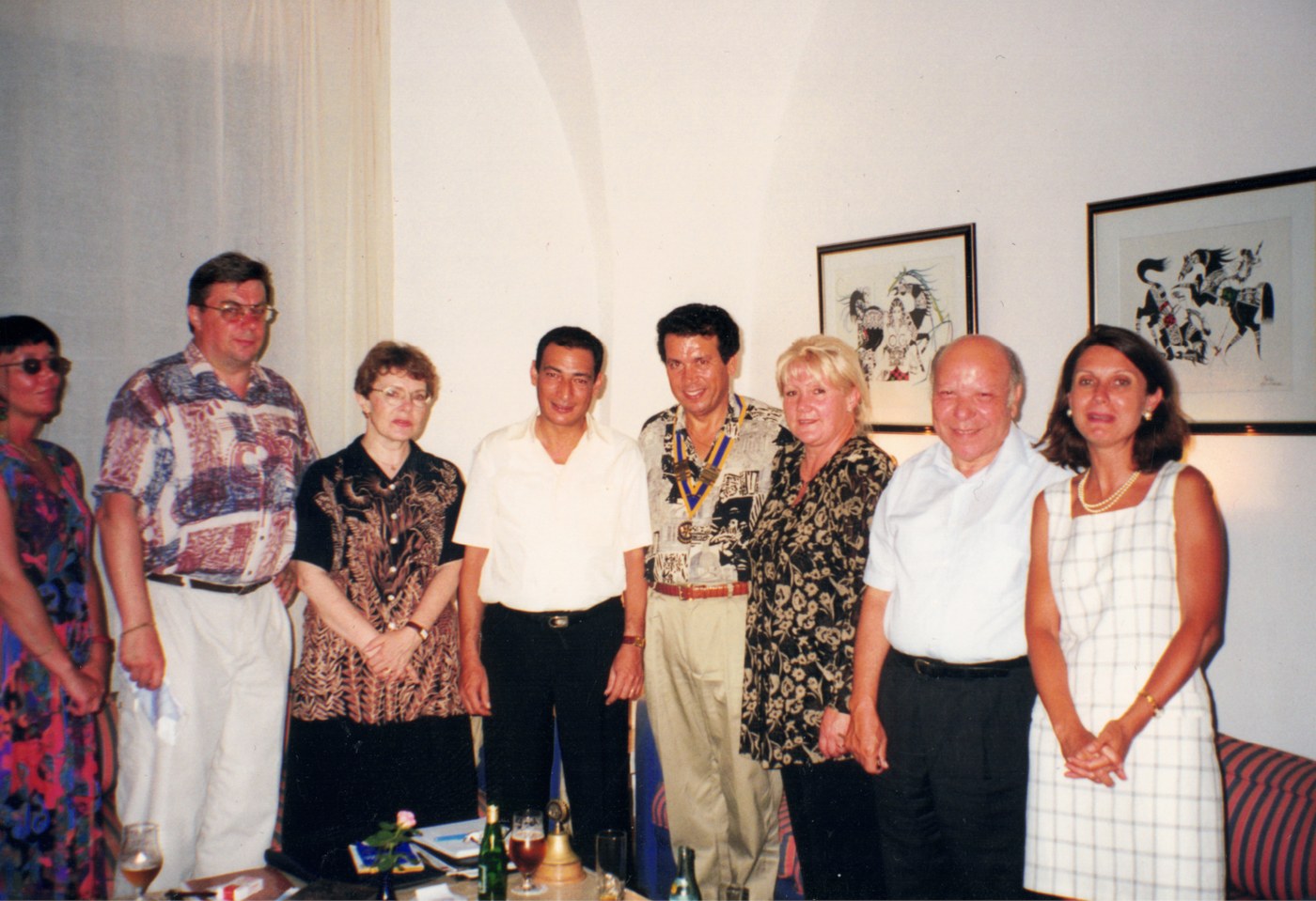
The Club’s involvement in helping Ukraine began long before the full-scale war that started in 2022.
In 2014 the Club joined the “We help Ukraine” effort, which involved, among other things, medical aid for hospitals and residents of eastern Ukraine. The surviving records mention the purchase of dressings, single-use supplies, surgical kits, medical equipment and medicines.
Over time, help for Ukraine became one of the important, recurring strands of the members’ work.
Rotary Club Warszawa-Belweder joined the humanitarian aid for people affected by the war, drawing on the relationships and contacts built up over years with Rotarians and partners from Ukraine. In this period the Club also took part in relief work carried out together with the Kulczyk Foundation, including transports and support for those harmed by the war.
The contacts with Ukrainian Rotary clubs, developed back in the days of the shared District 2230, took on particular importance then. The experience of earlier cooperation made it possible to respond to needs faster and to join in work across borders.
In the years that followed, the Club’s Polish-Ukrainian character became ever more visible and shaped the direction of its work ever more strongly.
On 20 January 2015 RC Warszawa Fryderyk Chopin was founded. RC Warszawa City and Rotary Club Warszawa-Belweder supported the creation of the new club. The charter gala took place on 28 March 2015 in the Kubicki Arcades at the Royal Castle.

In the same year our Club also set aside money for a summer holiday for children from Ukraine, run together with another Rotary club.
On 1 April 2016 RC Lviv International received its charter — the first English-language Rotary club in Lviv. Rotary Club Warszawa-Belweder was one of the clubs that supported its founding and is recorded in the Rotary International database as a sponsor club.
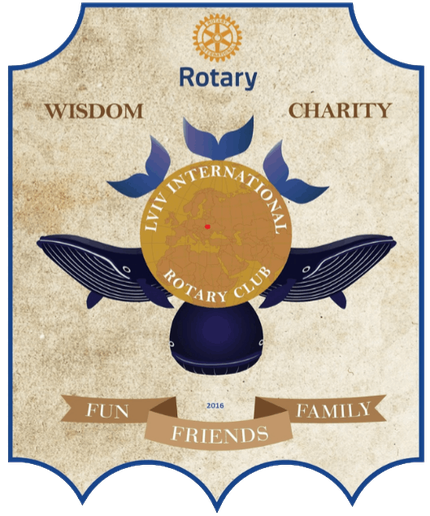
RC Lviv International grew over time into one of the active Rotary clubs in Ukraine. It works in an international setting and runs initiatives connected with medical aid, among others.
Supporting its founding is one example of how Rotary Club Warszawa-Belweder took part not only in community projects but also in the growth of the Rotary network itself.
Rotary Club Warszawa-Belweder was founded back in the days of District 2230, which covered clubs from Poland, Ukraine and Belarus.
On 1 July 2016 the District was divided: the Polish clubs formed District 2231, while the clubs from Ukraine and Belarus formed District 2232. From that moment our Club has belonged to District 2231.
The change was an organisational one, but the earlier relationships and cooperation with clubs from Ukraine and Belarus remained an important part of the Club’s history.
The Club’s history is not only about community and relief projects. The regular meetings were also a space for conversations with people from culture, politics, the media and community work.
The club archive holds photographs from meetings with, among others, Wojciech Smarzowski, Wiesław Ochman, Jerzy Baczyński, Ryszard Kalisz, Kamila Gasiuk-Pihowicz, Vincent V. Severski, Michał Szczerba, Jerzy Fedorowicz, Stanisław Ciosek, Andrzej Celiński and Urmi Basu.
The topics covered culture, history, community life, politics, the media and the challenges of the modern world.
For years, meetings with guests were an important part of the Club’s life — a chance to hear different points of view, to exchange experience and to build relationships.
2023 began another stage in the Club’s recent history.
Against the background of the war in Ukraine and the growing need to help those affected by it, migrants and refugees from Ukraine began to join the Club, wanting to take an active part in relief and community work. With them the Club gradually took on a clearly Polish-Ukrainian character, bringing members of both nationalities together around the shared values of Rotary and the need for real action.
Regular meetings returned, along with work on putting the Club’s organisational matters, records and presence in the structures of Rotary International in order. In the autumn, more guests interested in membership came to the meetings, and the Club steadily grew.
On 14 June 2023 representatives of the Club took part in a meeting in Warsaw with John Hewko, General Secretary of Rotary International and CEO of The Rotary Foundation. It was a chance for direct contact with a representative of Rotary’s worldwide leadership and a confirmation that the Club remains part of the organisation’s broad international community.
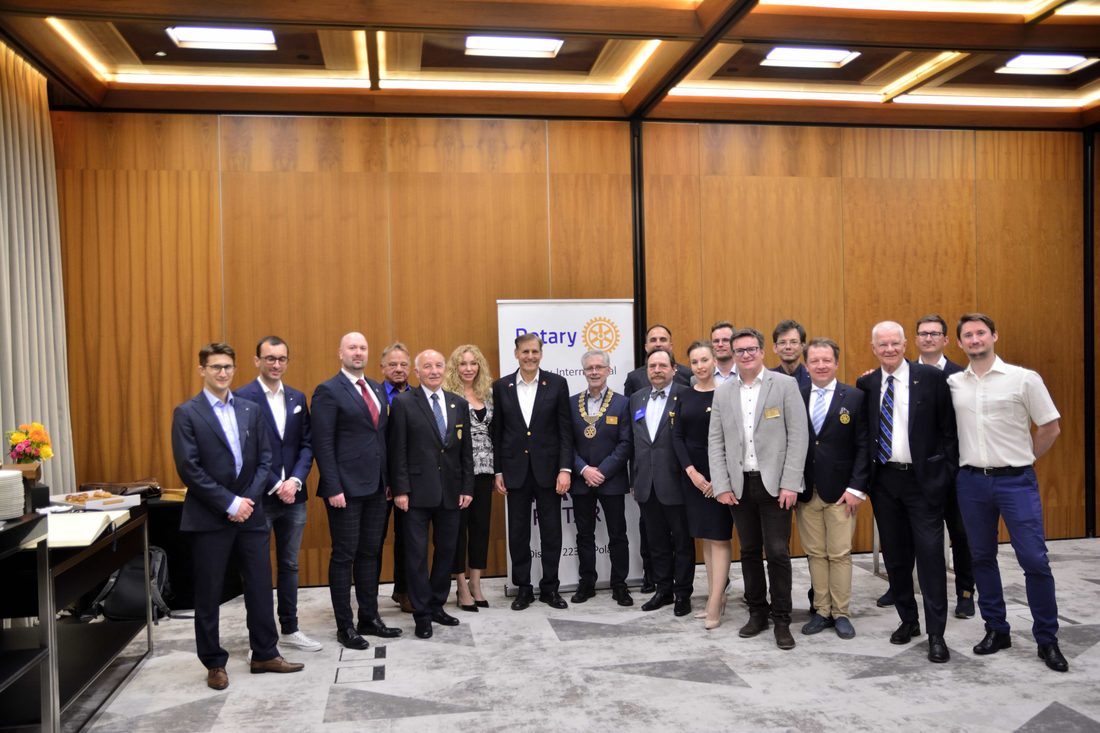
In September 2023 a Club delegation took part in the District 2231 training seminars in Kielce. It was a chance to gain knowledge, to meet other Rotarians and to involve the Club more closely in the life of Rotary in Poland.
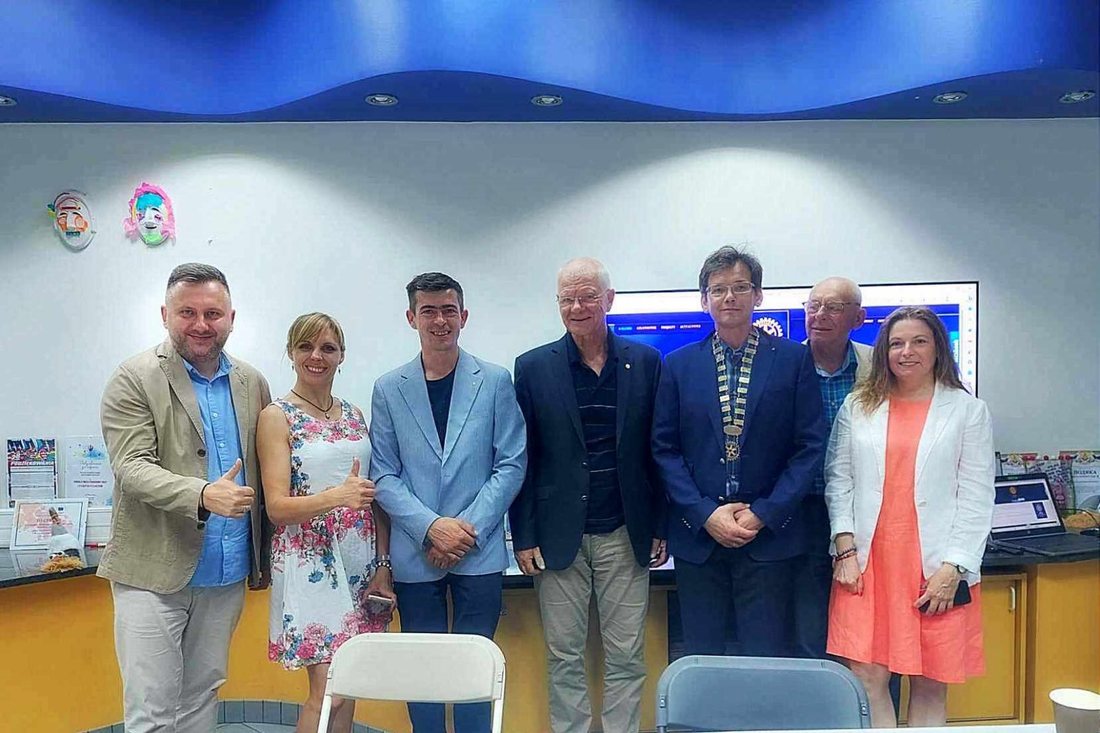
At the same time the hybrid format mattered more and more, letting both those present in Warsaw and members outside the city or abroad take part.
In 2024 the Club took an increasingly active part in the life of District 2231 and of the international Rotary network. Its representatives attended Rotary training, including PETS, and in June the Club admitted further new members.
Contacts abroad grew in parallel. Club members visited the Oslo International Rotary Club in Norway, and at meetings in Warsaw they hosted Rotary representatives from other countries, including Kato Katouh Takehiko, a future Rotary governor in Japan.
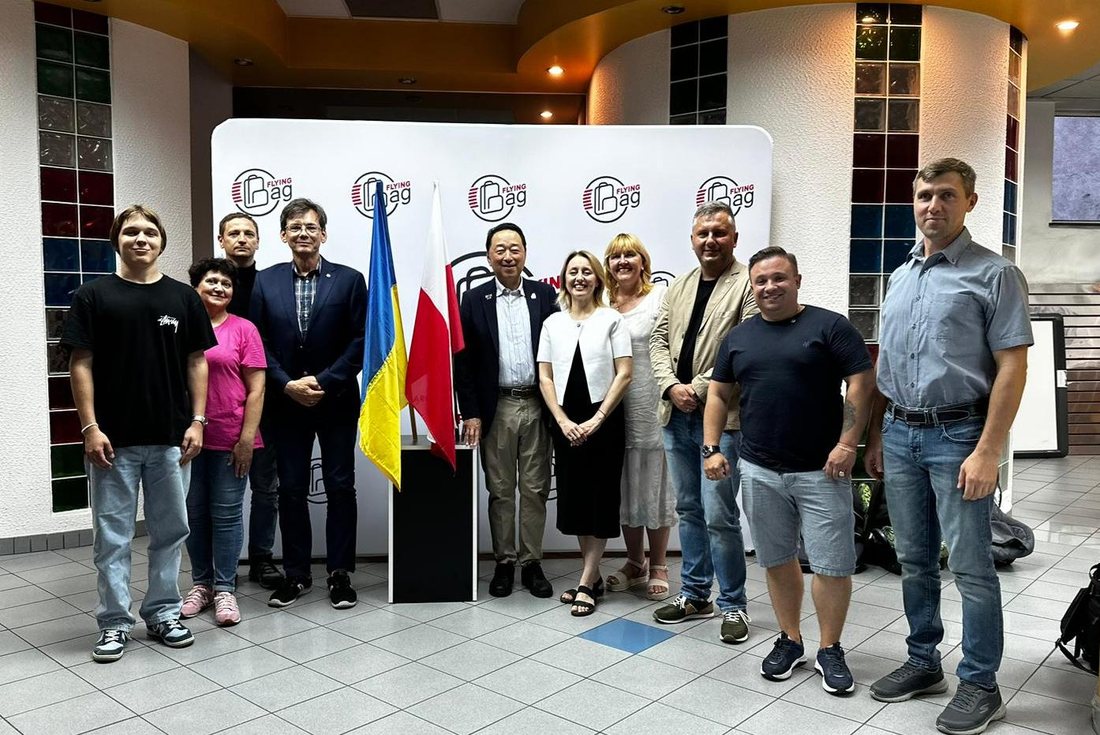
In April the Club’s online guest was Vira Syriamina from RC Lviv Zamok, the first woman governor of District 2232. Her story — from Rotaract to the office of governor — was also an example of a path of growth and leadership in Rotary.
The Club also kept in touch with Rotary representatives from Ukraine, including Olha Paliychuk, a future governor of District 2232. These meetings strengthened relationships built back in the days of the shared District 2230.
At the same time the Club’s Polish-Ukrainian character translated ever more clearly into concrete relief work for Ukraine and for Ukrainians living in Poland — from support for children and young people to cooperation with community organisations, Rotarians and partners abroad.
In the autumn of 2024 representatives of the District 2231 leadership, including the new governor, visited the Club. The meeting was a chance to talk about what is particular to Rotary Club Warszawa-Belweder — its Polish-Ukrainian membership, its plans for growth and the relief initiatives it runs for Ukraine.
The work discussed included sending adaptive clothing to Ukrainian hospitals and the “A million reflectors for children from Ukraine” initiative, meant to make children safer in areas affected by the war.
2024 was thus a period in which growth in membership, help for Ukraine and international contacts began to come together clearly into one direction of the Club’s work.
The start of 2025 brought one of the bigger organisational changes in the recent history of Rotary Club Warszawa-Belweder. Some members decided to leave and to continue their work within another Rotary structure, while the remaining members kept the Club going. In the months that followed, formal matters were put in order, the membership grew and new people were admitted.
In the spring of 2025 the Club began meeting again at Hotel MDM on plac Konstytucji. The return to a place known from earlier years symbolically joined the Club’s history to its new stage. Meetings were more and more often held in a hybrid format — in person and online at the same time.
Relief work for Ukraine continued in parallel. At the same time the Club began to develop cooperation at a more systematic level.
In June 2025 the guest at a meeting was Agata Stafiej-Bartosik from Ashoka. The conversations were about possible cooperation on work in Ukraine and about using the international Rotary network to build wider partnerships.
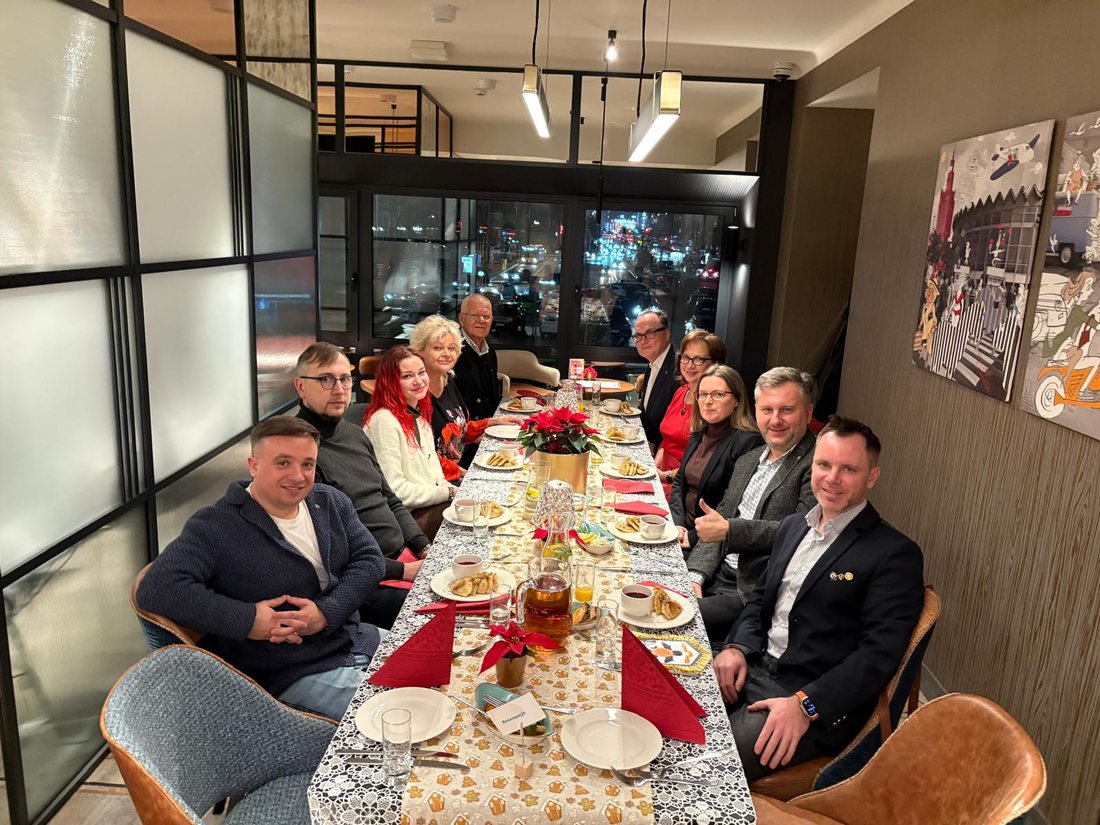
2025 was thus a year of organisational change for the Club, but at the same time the beginning of another stage — one more open to international cooperation, hybrid working and new projects.
In 2026 Rotary Club Warszawa-Belweder marks 25 years in Rotary International.
A quarter of a century of history means successive generations of members, presidents, projects, meetings, partnerships and people who helped build the Club over the years. The anniversary became not only a chance to look back but also a spur to put that history in order and to keep it.
Over the year we gathered and put in order the Club’s digital and paper archive — documents, photographs, old materials, web records and members’ recollections. An important part of that work was a meeting with Elżbieta Puławska, the first president and one of the people who built the Club from the start, during which we went back over the story of its founding, its first projects, and the people and places connected with Rotary Club Warszawa-Belweder.
That work also produced the Club’s new website, which for the first time brings together in one place the record of all 25 years of its work — from the beginnings in 2001 to the present day.
We see it as a form of thanks to the Club and to everyone who made its history over a quarter of a century.
Alongside this the Club developed further areas of cooperation. Talks about work in Ukraine continued with representatives of the Rotary District and of Ashoka. Contacts also grew with partners from Ukraine and with Rotarians interested in cooperation, including from the Netherlands and the Republic of South Africa.
This shows a change in the way the Club works: from single relief initiatives towards long-term partnerships, exchange of experience and deliberate use of the international Rotary network.
In June 2026, following Rotary tradition, another term came to an end and service passed to a new Club president. The president’s chain, with its central plate recalling the year 2001 and further plates recording the terms that followed, remains one of the clearest symbols of that continuity.
Meetings
Regular meetings have always been an important part of the Club’s life. This is where we discussed projects and took decisions, and where we invited guests from the worlds of culture, politics, the media and community work.
The photo archive documents the years 2018–2020 particularly well. Below are some of the meetings and the people who visited Rotary Club Warszawa-Belweder in that time.
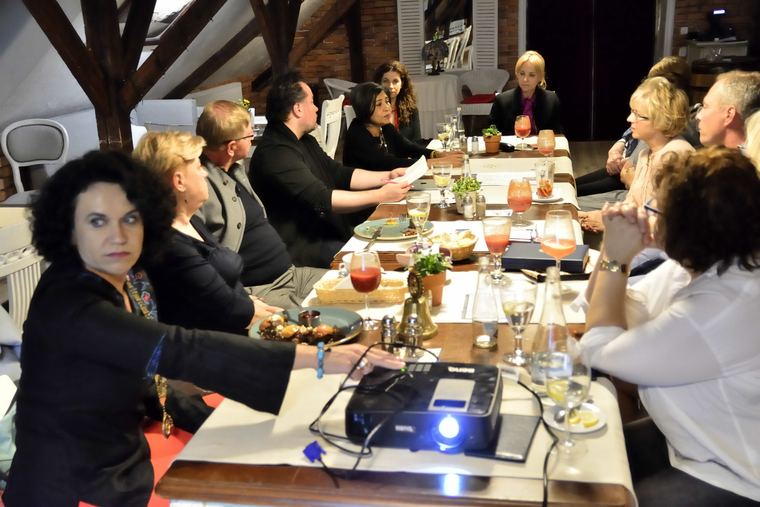
13.03.2018
An ordinary weekly club meeting — one of those a Rotary year is made of.
25.04.2018
An Indian activist, founder of a foundation caring for children from Kalighat and children of the untouchable caste.
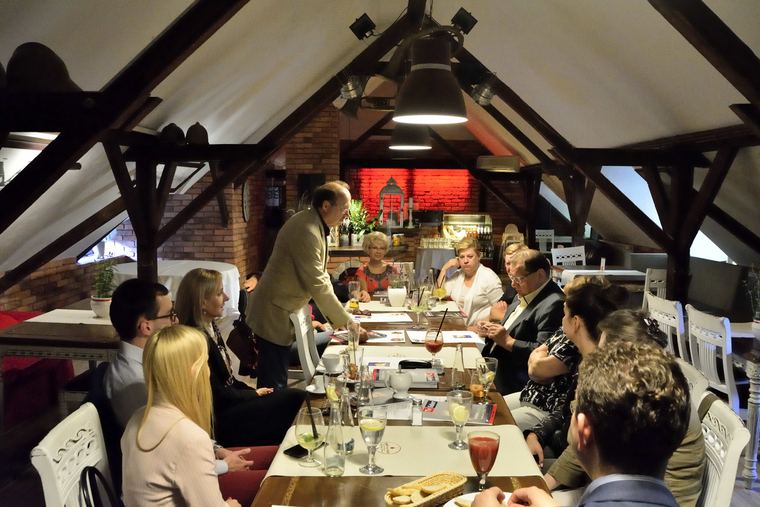
06.06.2018
A lawyer, former Minister of the Interior and Administration, a member of parliament for four terms and head of the Chancellery of the President of Poland in 1998–2000.
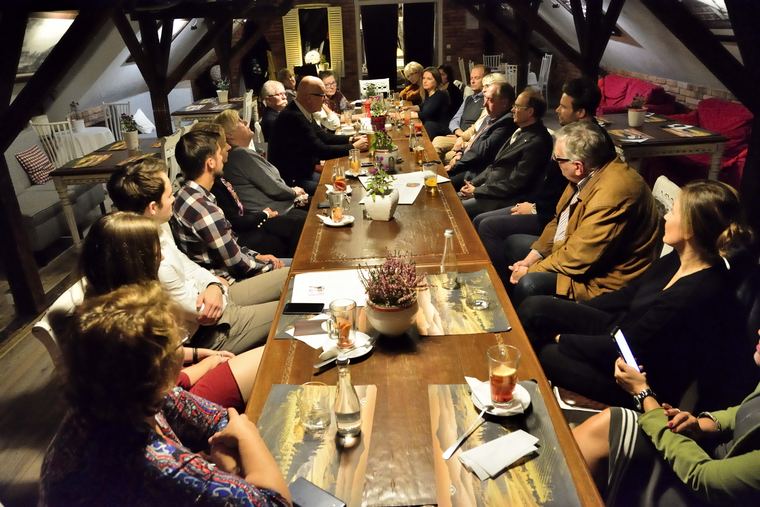
25.09.2018
A former colonel in Polish intelligence and the author of novels about the work of the intelligence services.
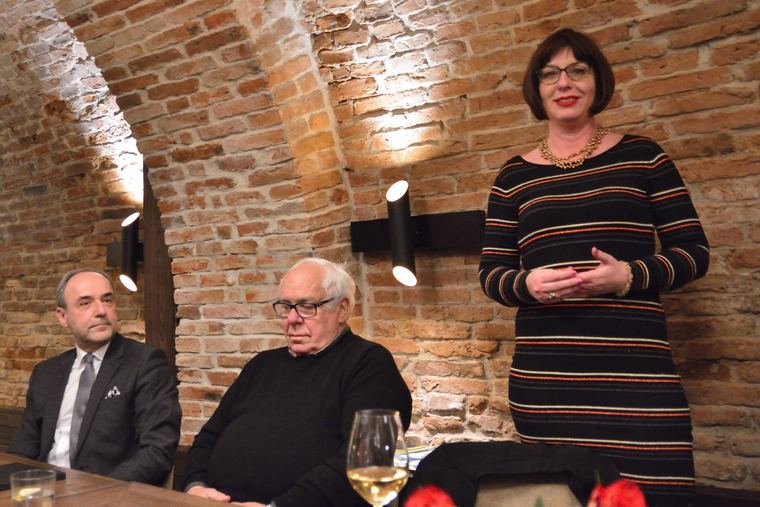
19.02.2019
A member of parliament and senator for many years, today deputy speaker of the Senate.
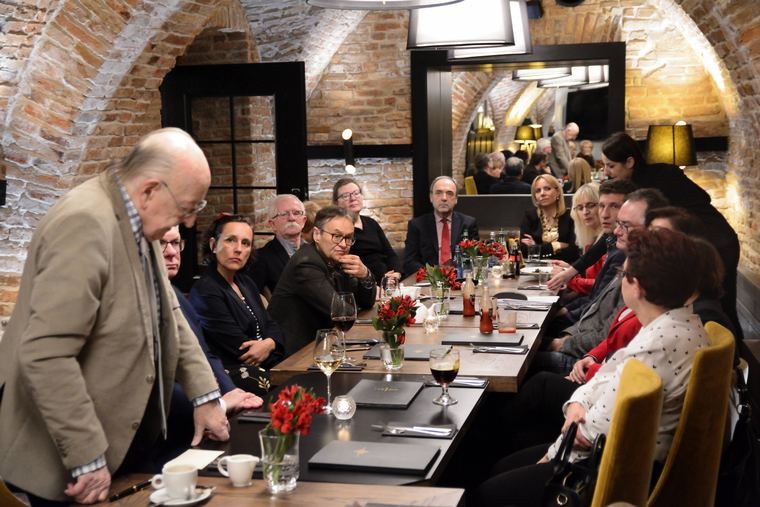
05.03.2019
A conversation about the March events and the turning point of 1989, seen by two participants who stood on opposite sides at the time.
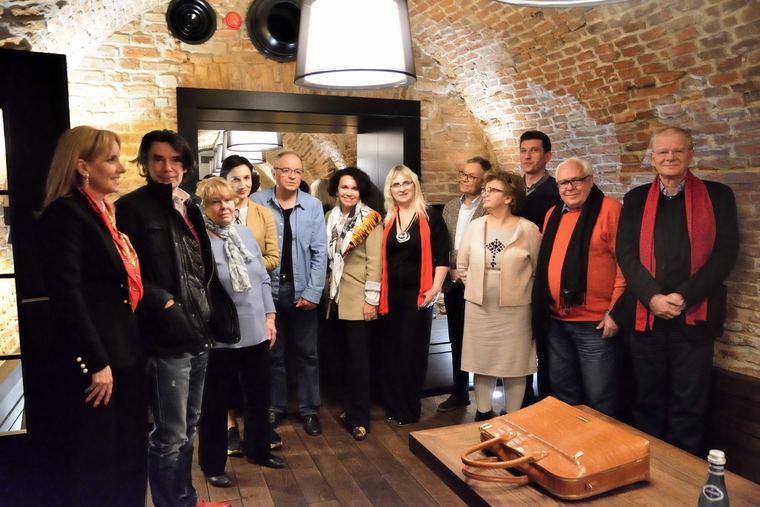
09.04.2019
A senator, actor and for many years director of the theatre in Nowa Huta.
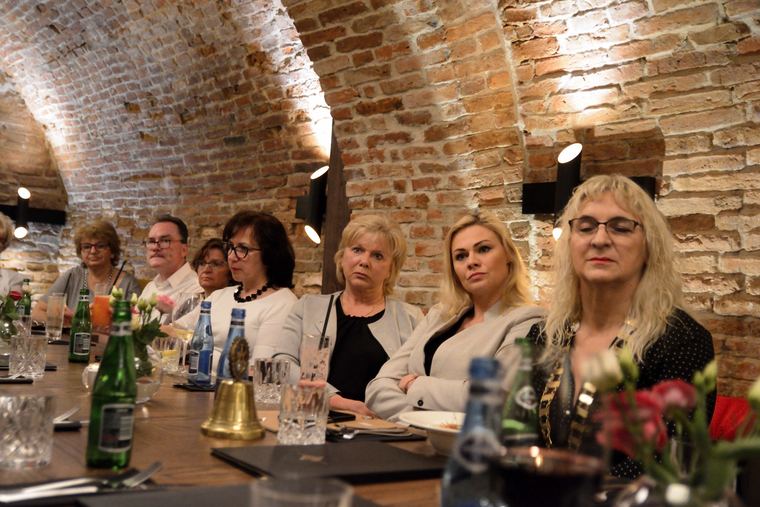
21.05.2019
A film director. The meeting took place after he received the Polish Film Award Orzeł for the film “Kler”.
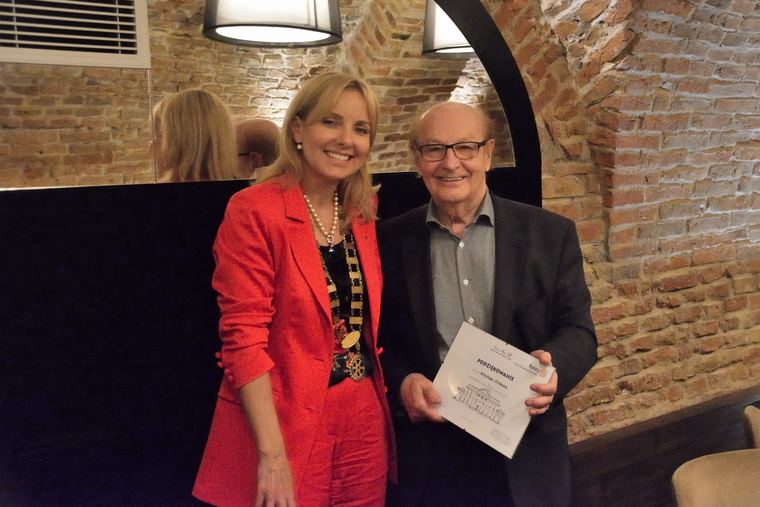
25.06.2019
An opera singer, director and cultural figure, an honorary member of the Warsaw Rotary Club.
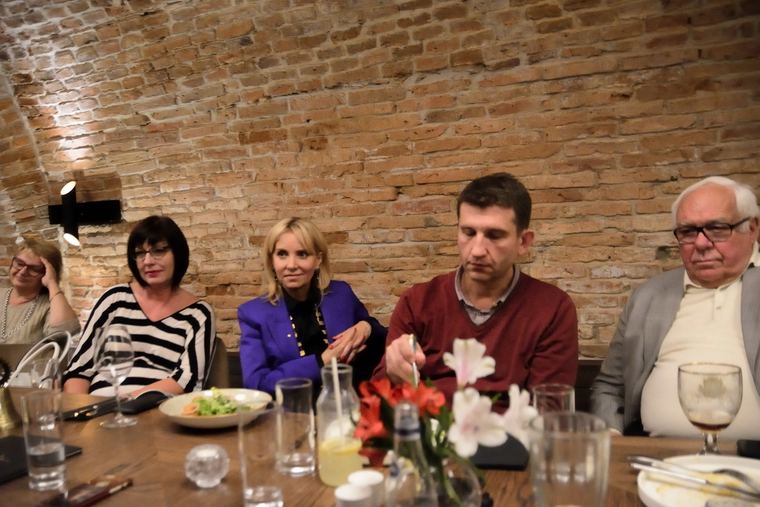
17.09.2019
A member of the Sejm.
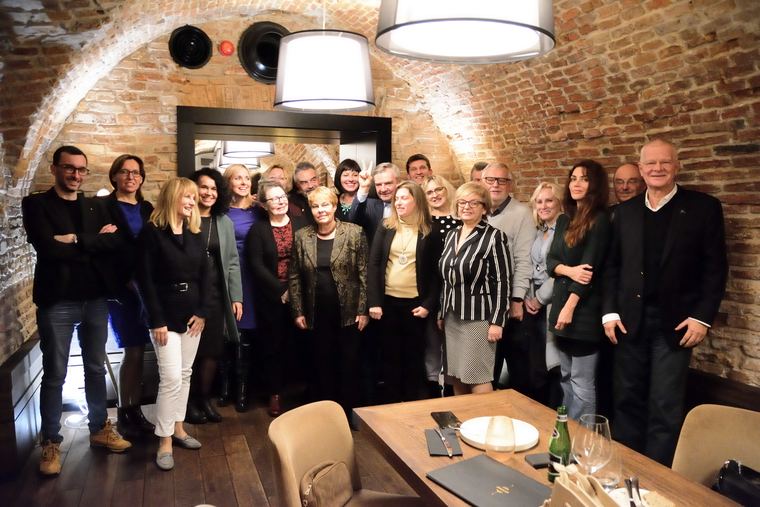
12.11.2019
Editor-in-chief of the weekly “Polityka”.
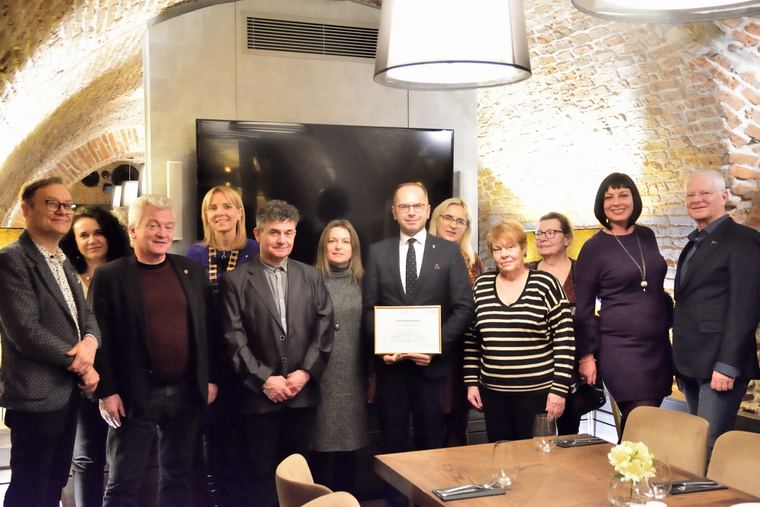
04.02.2020
A member of the Sejm; another of his visits to the club.
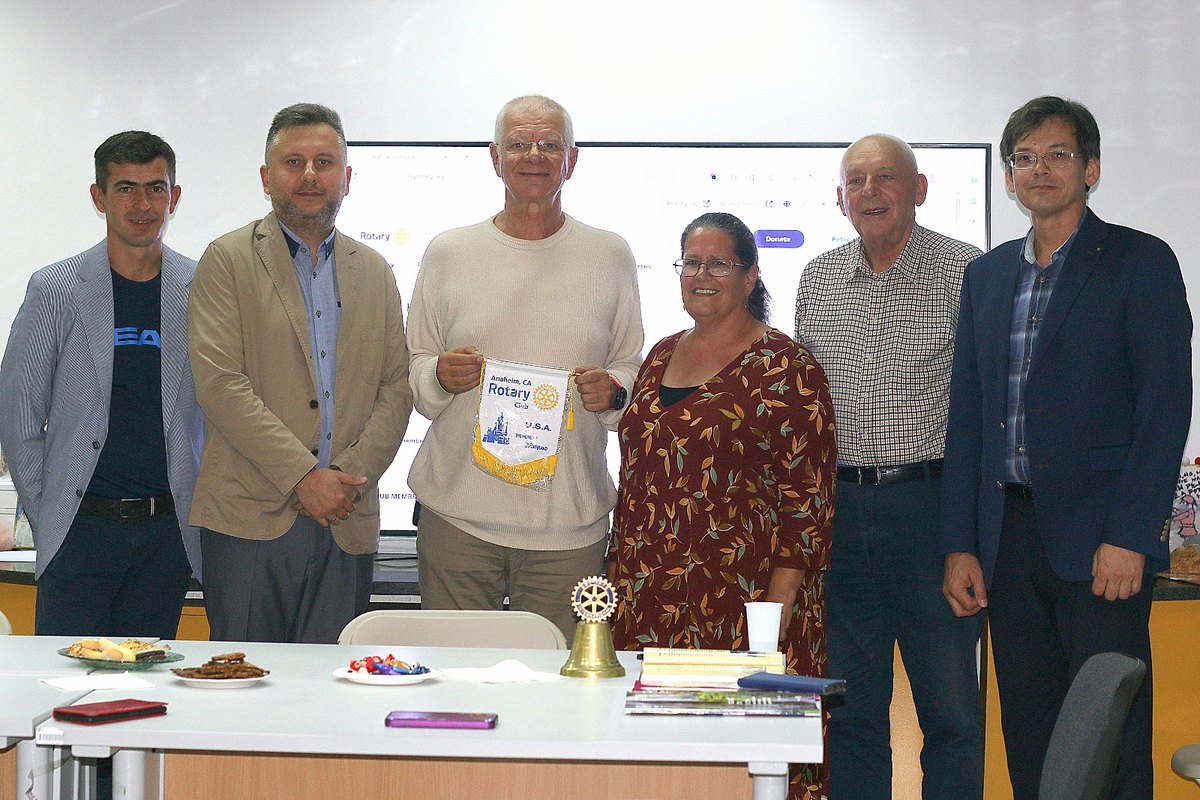
19.09.2023
A meeting of Club members with a guest from Rotary Club Anaheim in California.
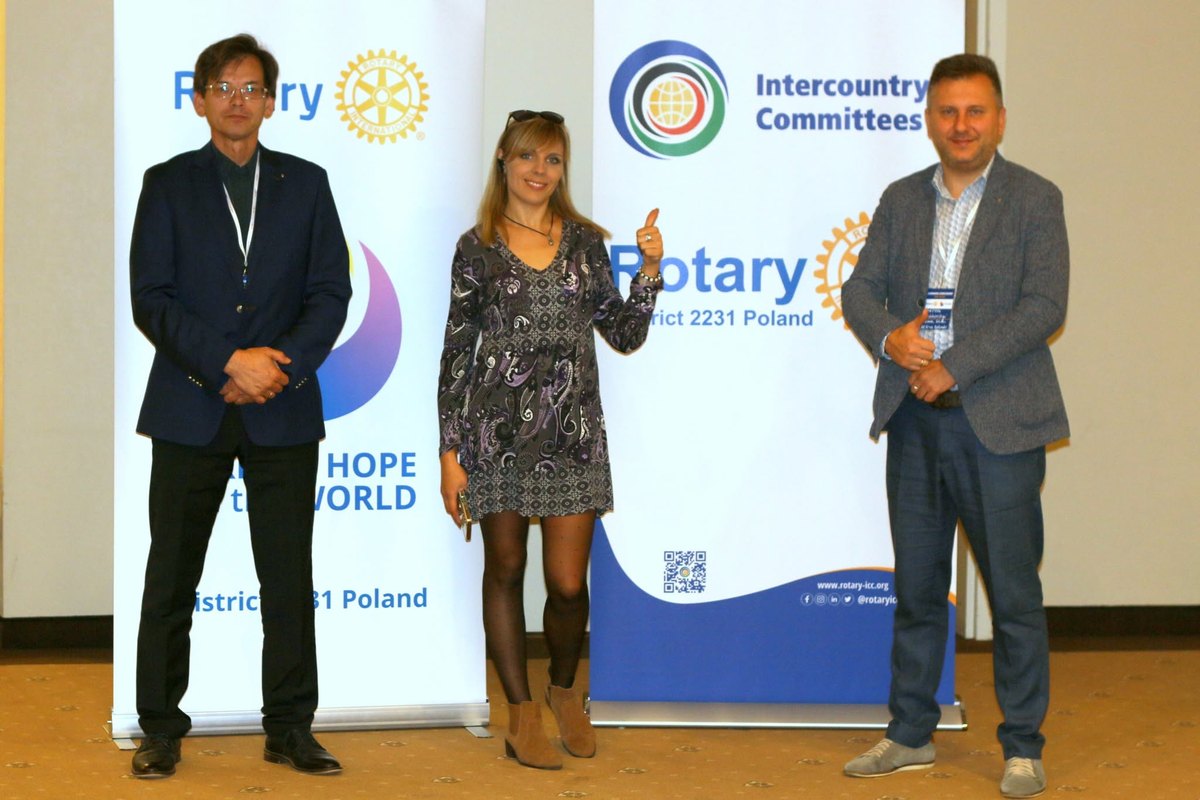
30.09.2023
The Rotary Club Warszawa-Belweder delegation at the District 2231 Rotary Polska training seminars in Kielce.
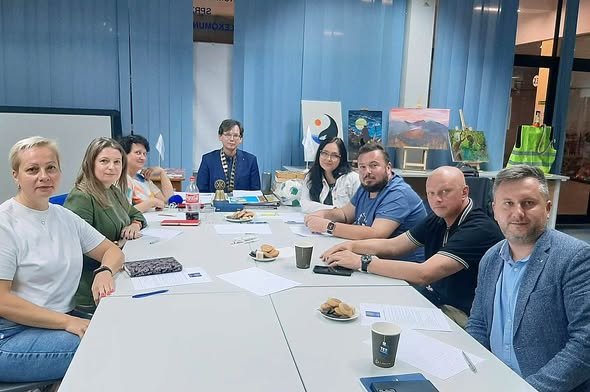
03.10.2023
A meeting of the Club with Sergiusz Daniszewski, an expert in digital transformation, Wiktoria Daniszewska, founder of a school of drawing and painting, and Oleksandr Tereshchenko, a specialist in family psychology.
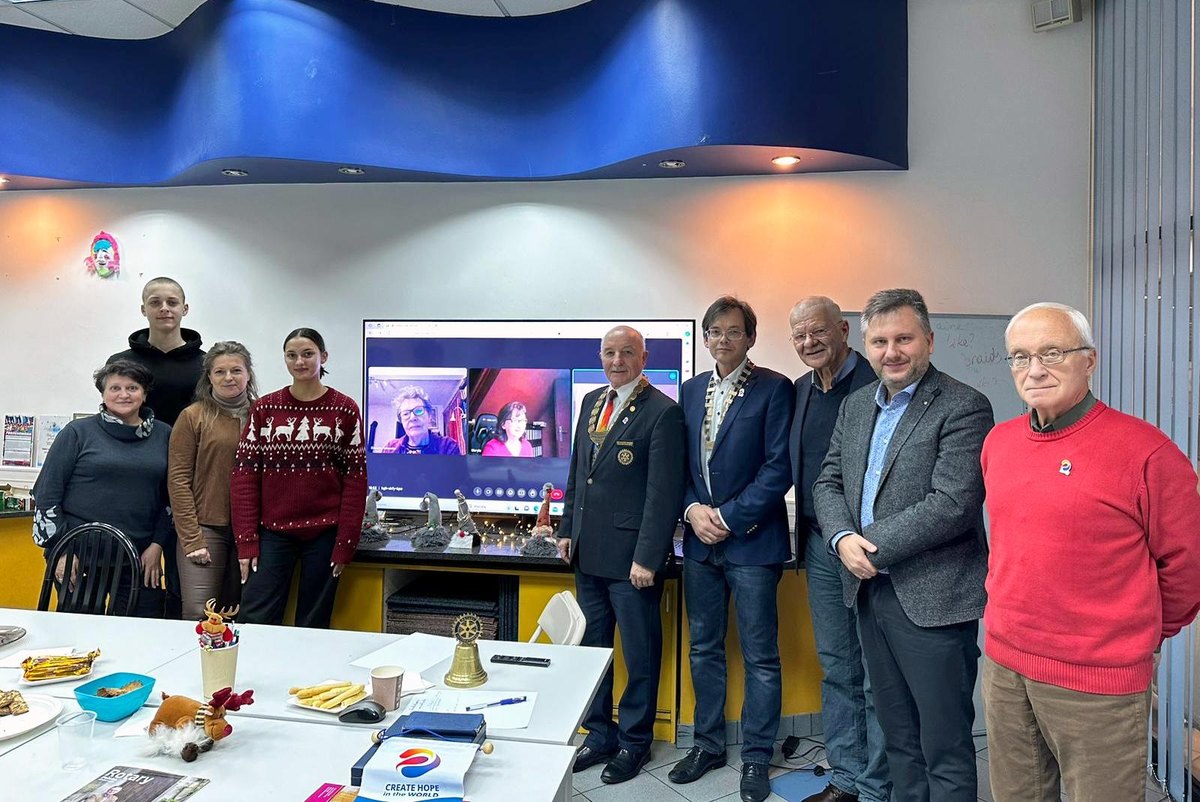
12.12.2023
A visit by the governor of District 2231.
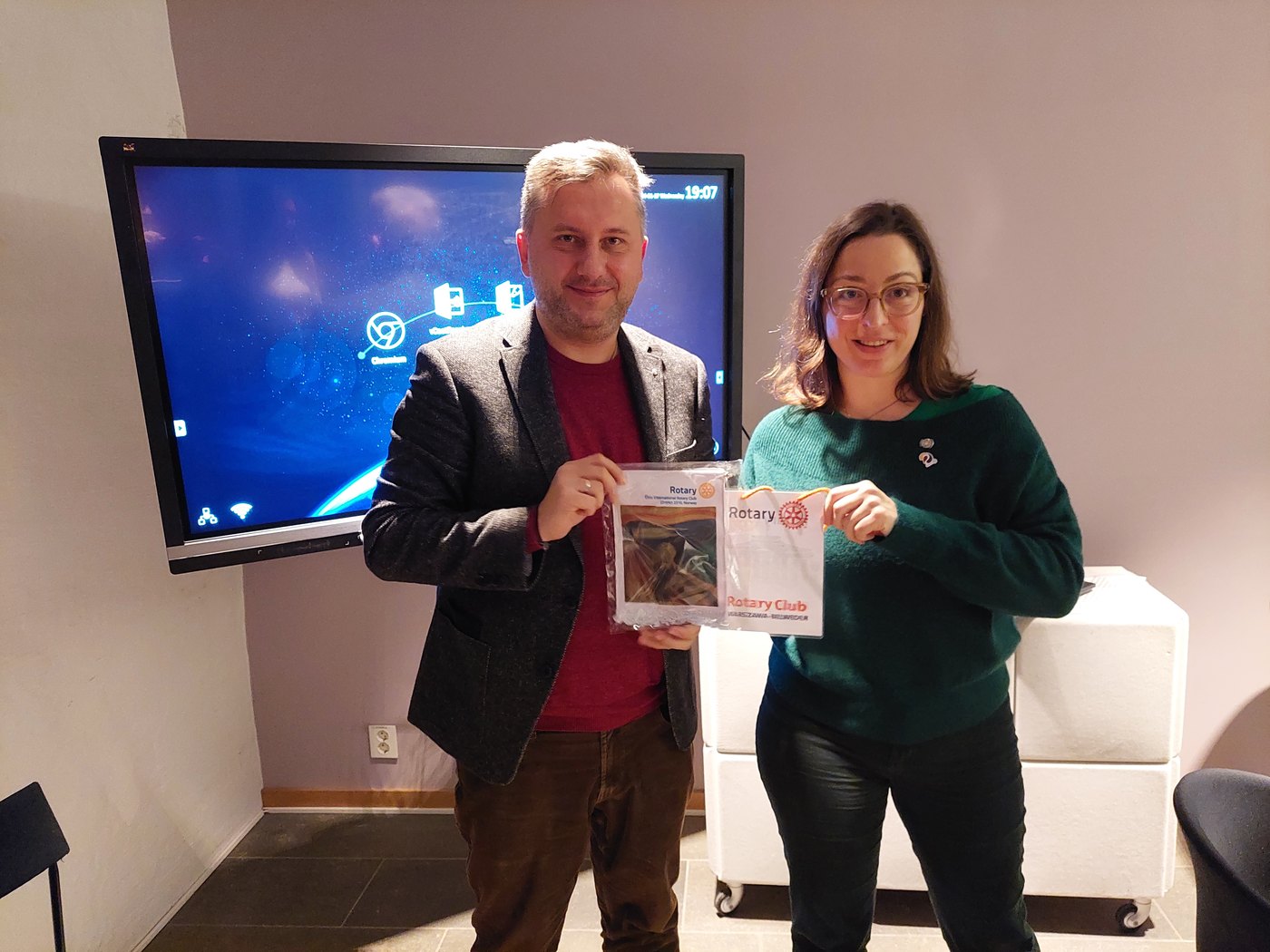
17.01.2024
A visit by a board member of Rotary Club Warszawa-Belweder to the Oslo International Rotary Club (OIRC).
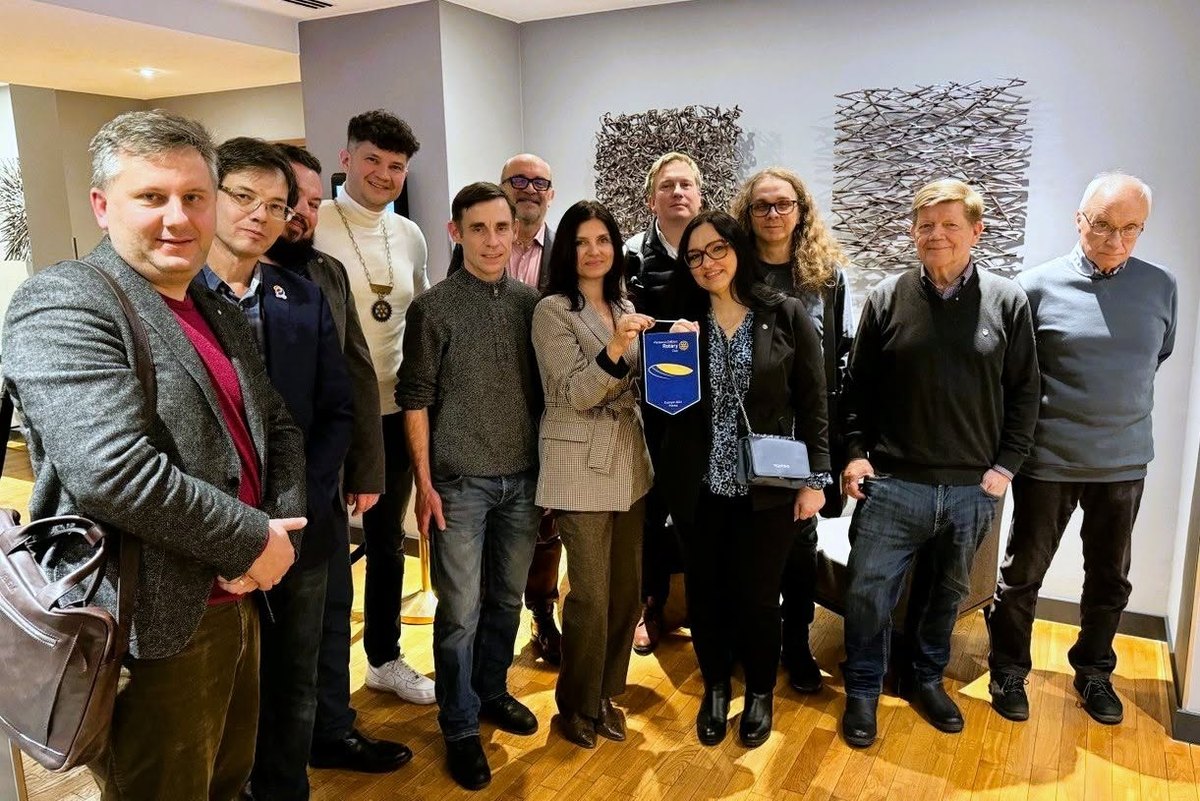
05.02.2024
A meeting of Rotary Club Warszawa-Belweder members with Rotary Club Warszawa-Żoliborz.
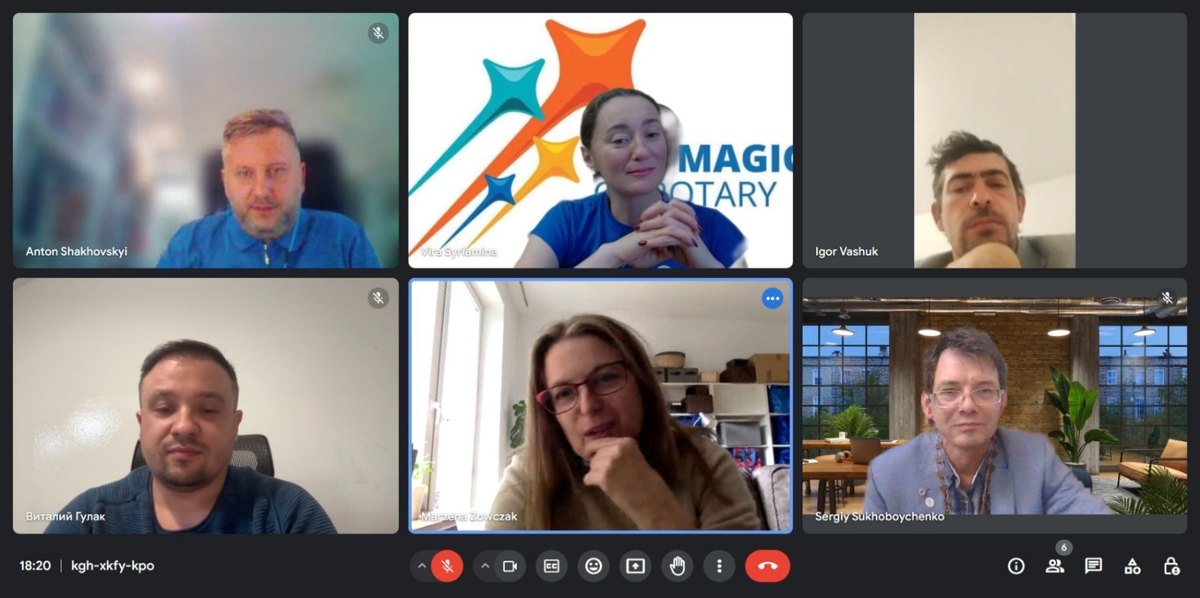
16.04.2024
RC Lwów Zamok — the first woman to head the Ukrainian district. An online meeting.
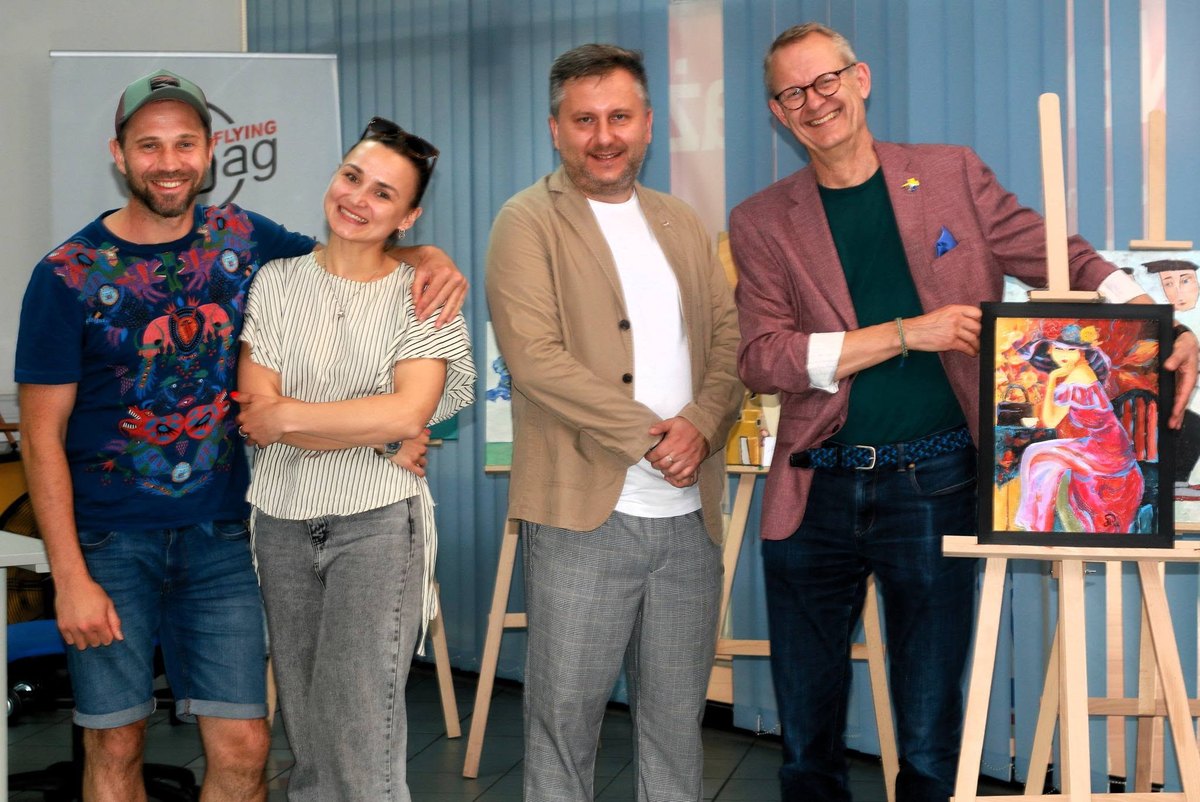
20.06.2024
Rotary governor for the 2023/2024 term, Odense City Rotary Klub.
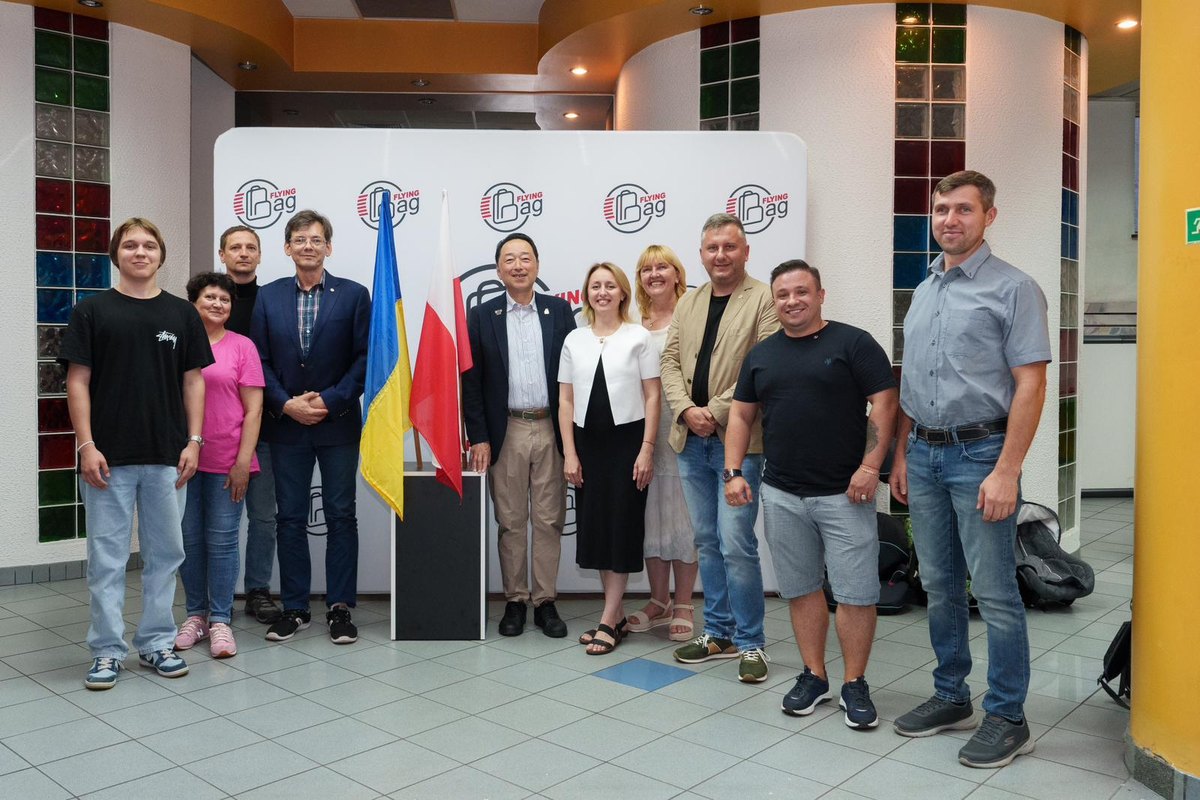
20.08.2024
A guest from Japan — a future governor and head of the Sendai Ikuei school.
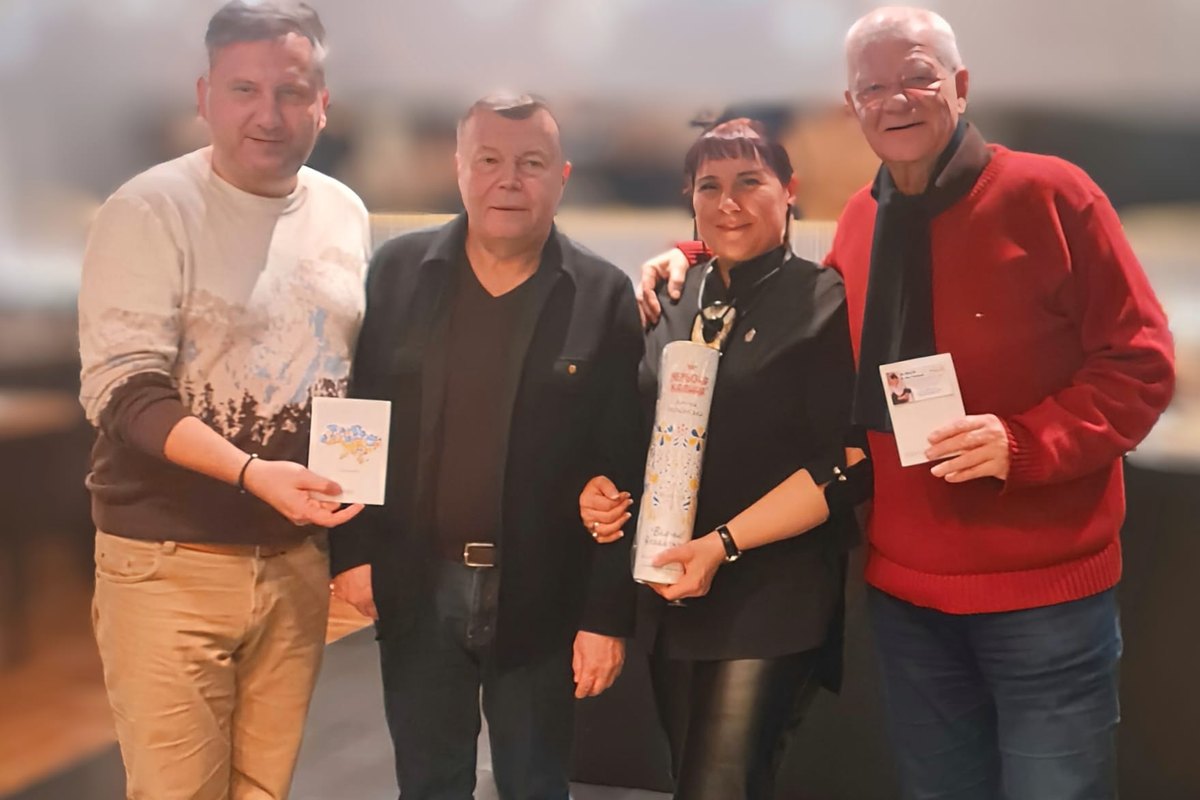
28.08.2024
A doctor and professor, governor of the Ukrainian district for 2025/2026.
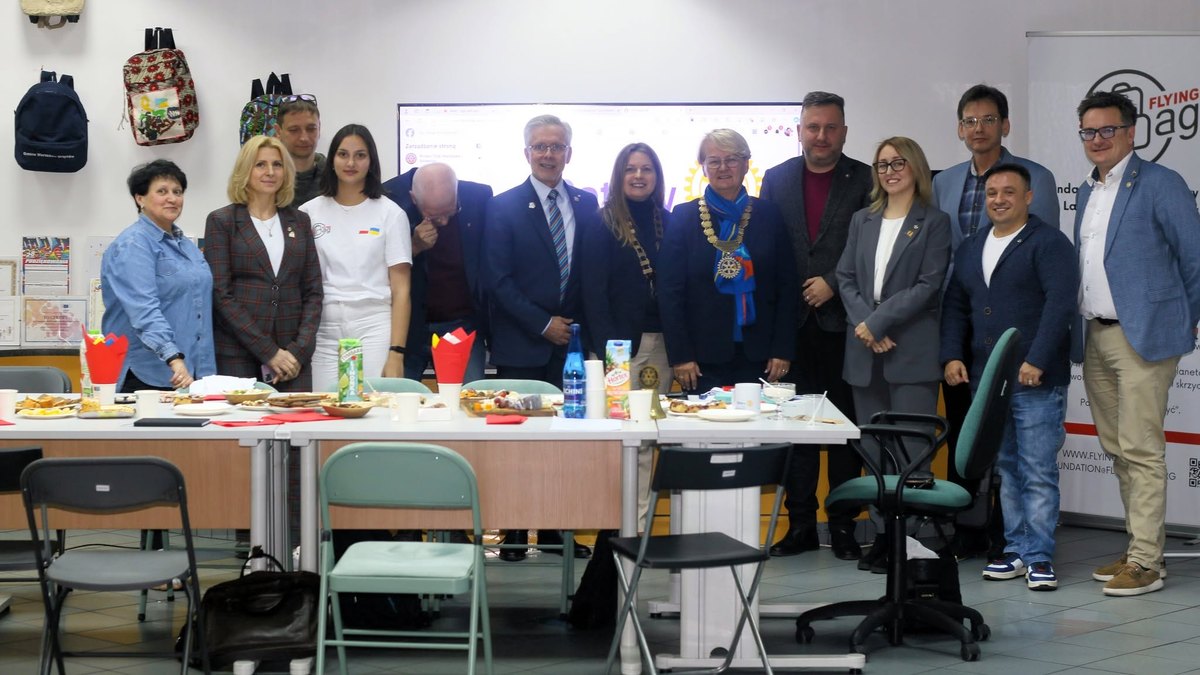
24.11.2024
A visit by the governor of District 2231.
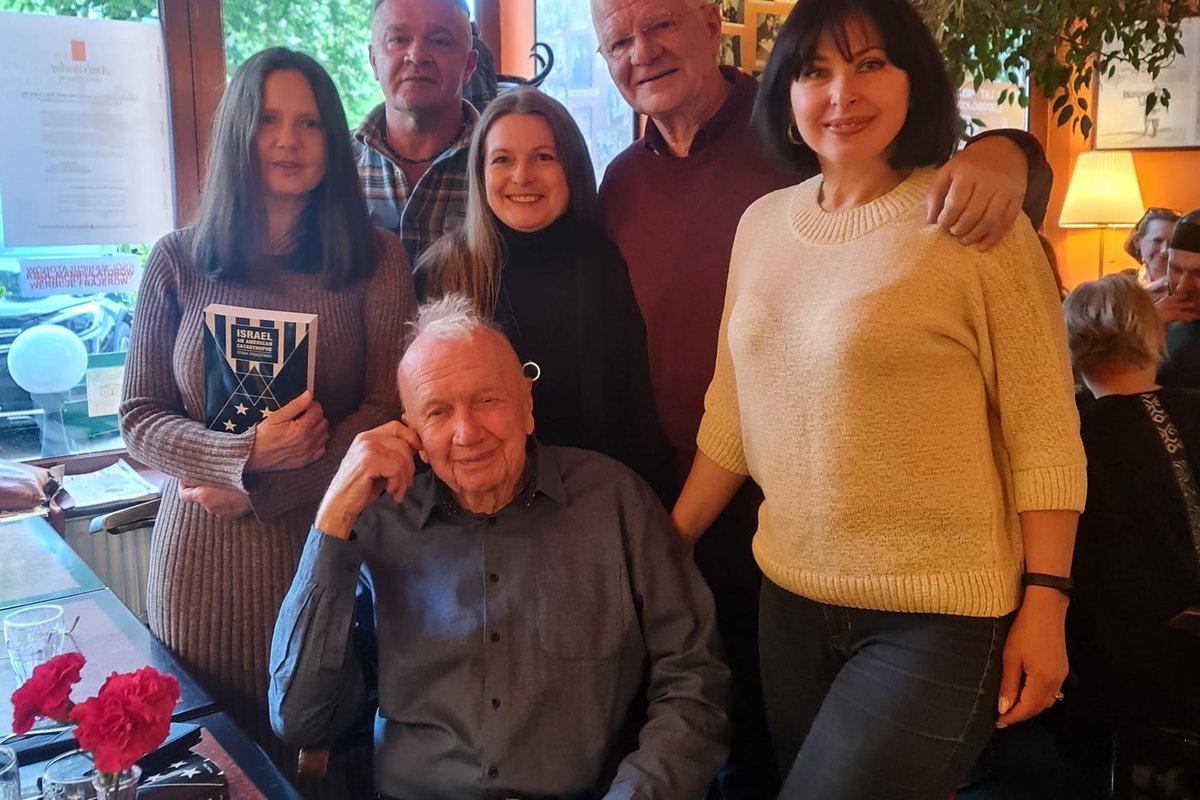
09.05.2025
A journalist and former contributor to Radio Free Europe. The same day the club hosted a Rotarian from a Berlin club who had come to Warsaw for a film festival.
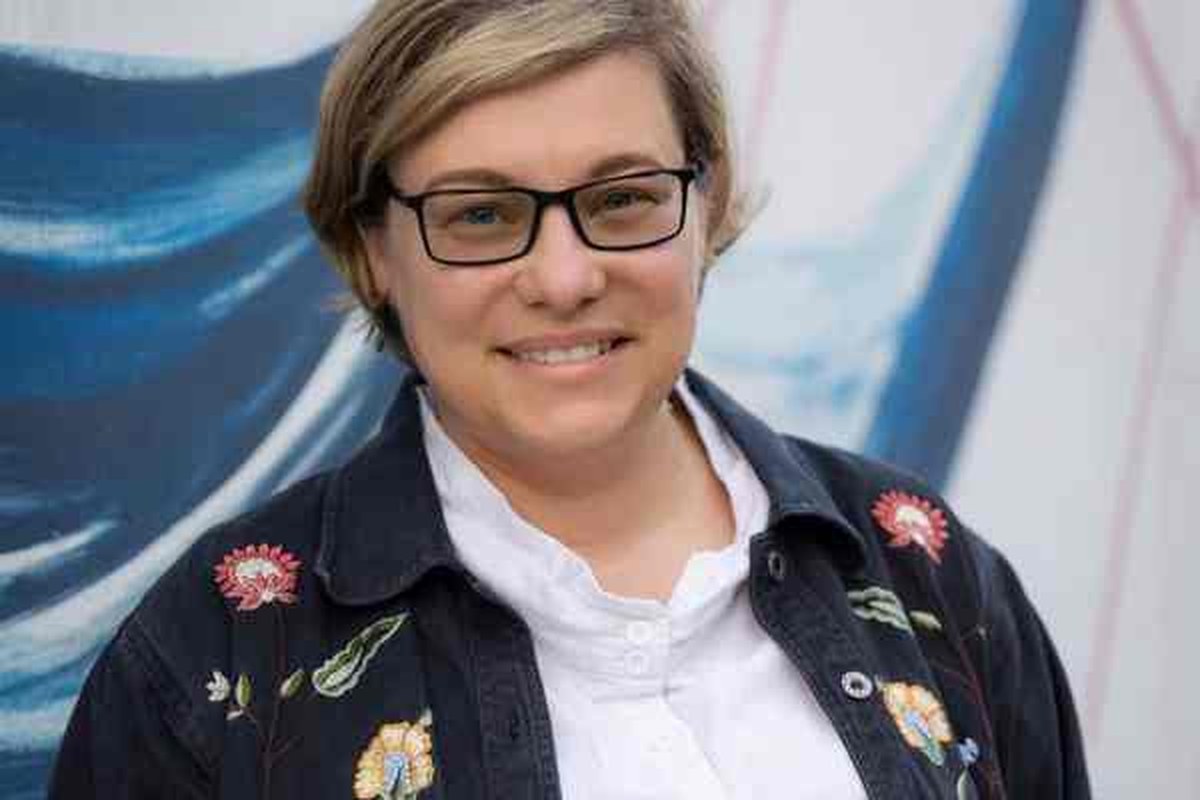
25.06.2025
Co-director of Ashoka in Poland — an organisation supporting social entrepreneurship.
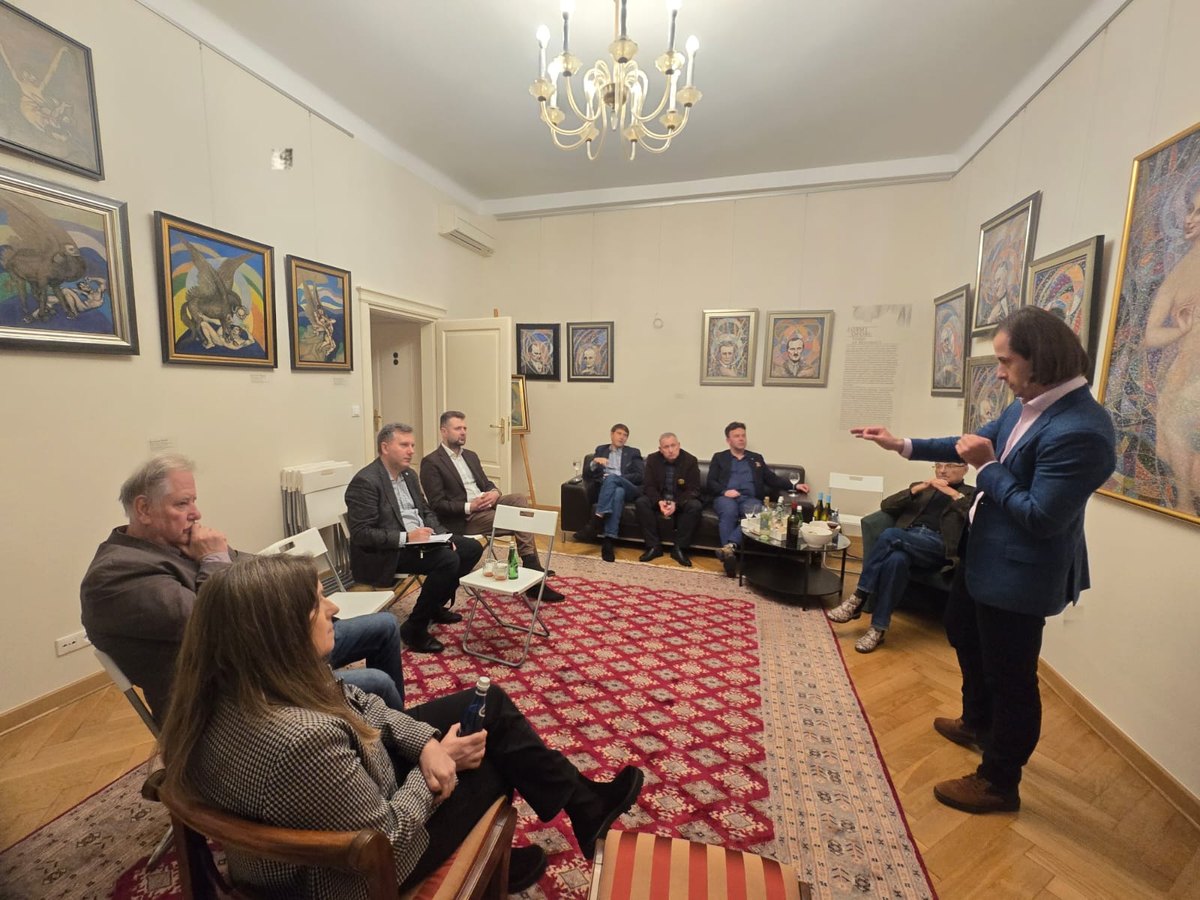
14.11.2025
The charter ceremony of a new club in the capital, with our Club taking part.
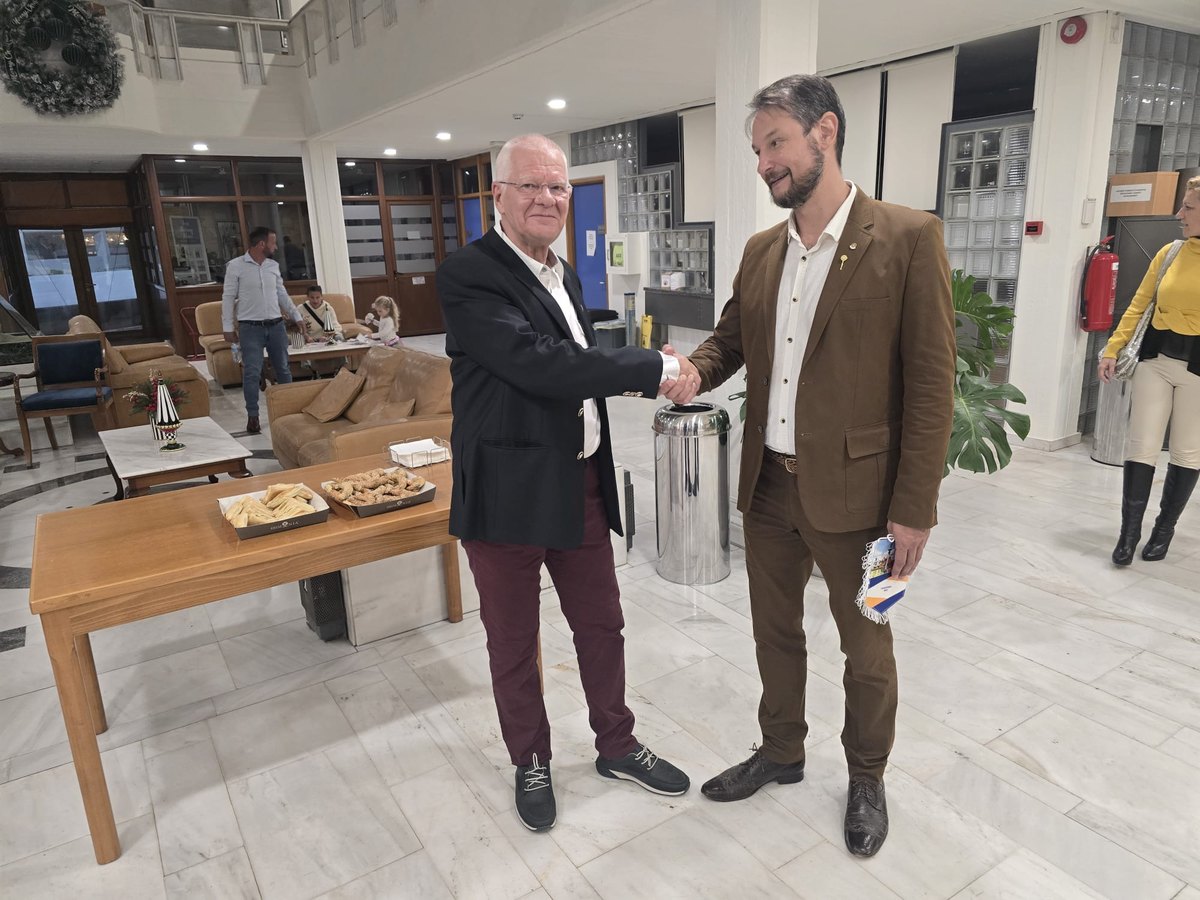
26.11.2025
President of Rotary Club Famagusta–Cape Greco, originally from Kyiv.
Changing meeting places became one of the characteristic features of the Club’s history. Over the years members met in different parts of Warsaw — at the Hotel Sobieski, the Hotel Bristol, the Restauracja Belvedere, the Hotel MDM, the Restauracja Florian and the Hotel 66 on Nowy Świat.
Today the Club meets again at Hotel MDM on plac Konstytucji — a place that had already been part of its history.
The history of Rotary Club Warszawa-Belweder does not end with the 25th anniversary.
Over the years the people, the meeting places, the projects and the working conditions changed. The Club went through periods of growth, organisational change and new challenges, but each time there were people ready to take responsibility and carry its work on.
Today Rotary Club Warszawa-Belweder is a Polish-Ukrainian community in Warsaw that joins the experience of its history to new ideas, partnerships and the needs of today’s world.
The memory of the past 25 years is not just an archive for us. It is the foundation of what we want to do next.
Ahead of us are more projects, new relationships and further years of service.
More photographs, reports from meetings, projects and events from the Club’s life can be found on our Facebook page.